Failure-Aware Iterative Learning of State-Control Invariant Sets
CDC 2026 · AcceptedAhmad Amine · PhD candidate, Penn Engineering
Safe learning‑based control for autonomous systems.
Controllers that keep learning after deployment, from the executions that succeed and from the ones that fail. Model predictive control, learning, and system identification, tested on autonomous vehicles and scaled racecars.
Affiliations






Research
All research and publications
Three uses of data in control
System identification, performance improvement from safe trajectories, and constraint learning from failures.
Learning from successful executions
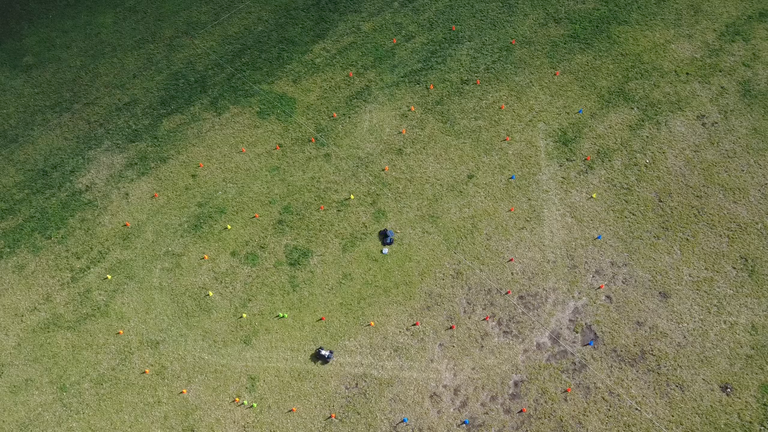
SIT-LMPC learns a value function from past laps with normalizing flows and solves the stochastic control problem with an adaptive-penalty MPPI on the GPU.
SIT-LMPC, RA-L 2026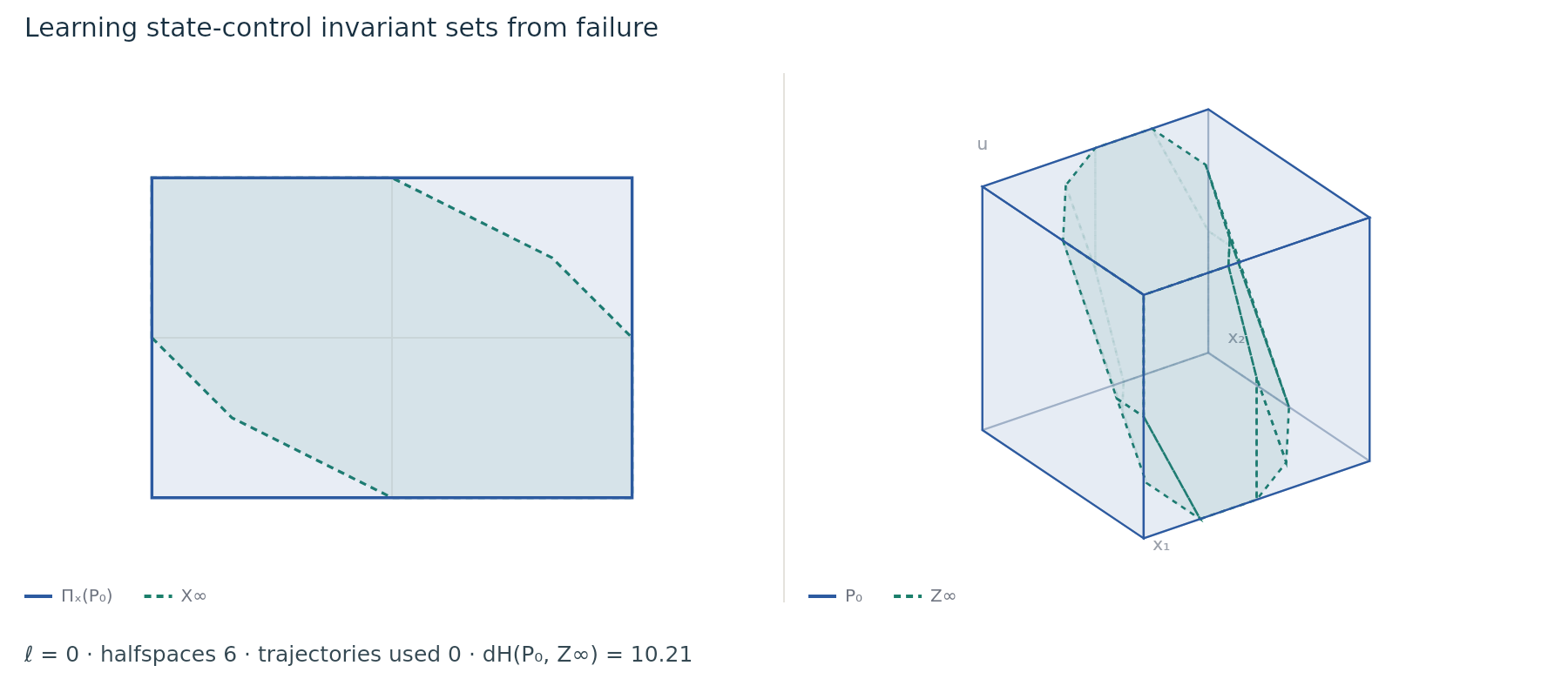
Learning from failed executions
FAIL recovers the maximal state-control invariant set of an unknown linear system from the trajectories that violated the constraints.
FAIL, CDC 2026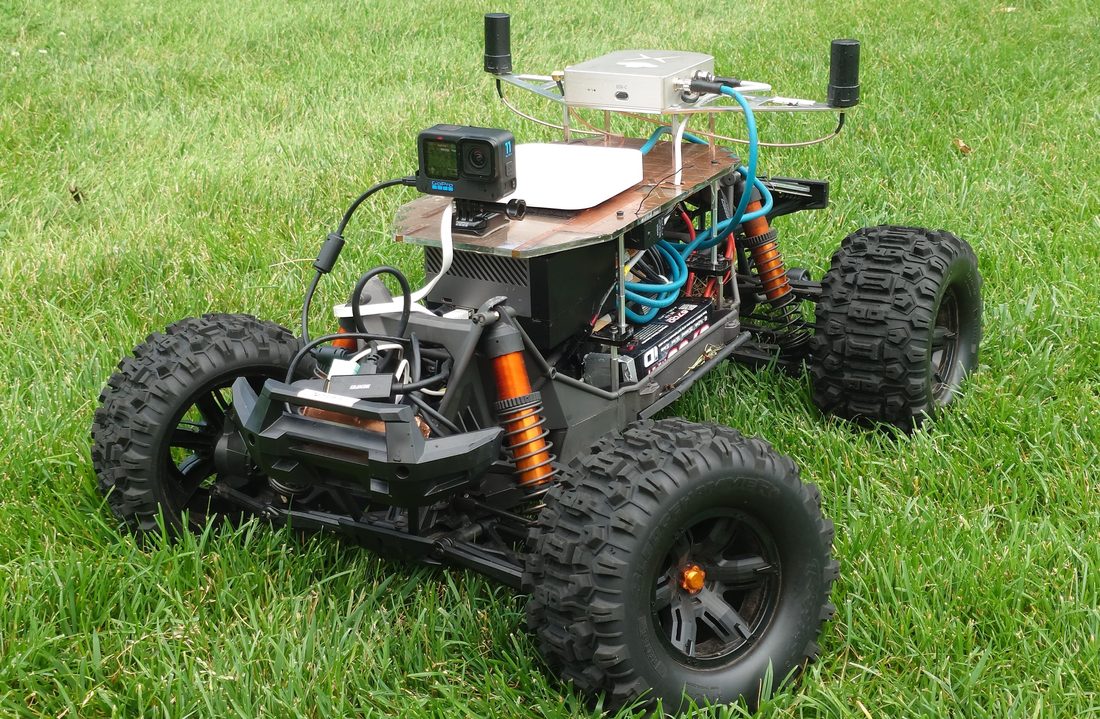
Online adaptation for vehicles
Gaussian process dynamics for changing friction and nonplanar terrains, used for real-time MPC control of autonomous vehicles.
IV 2026, IROS 2026, IFAC 2023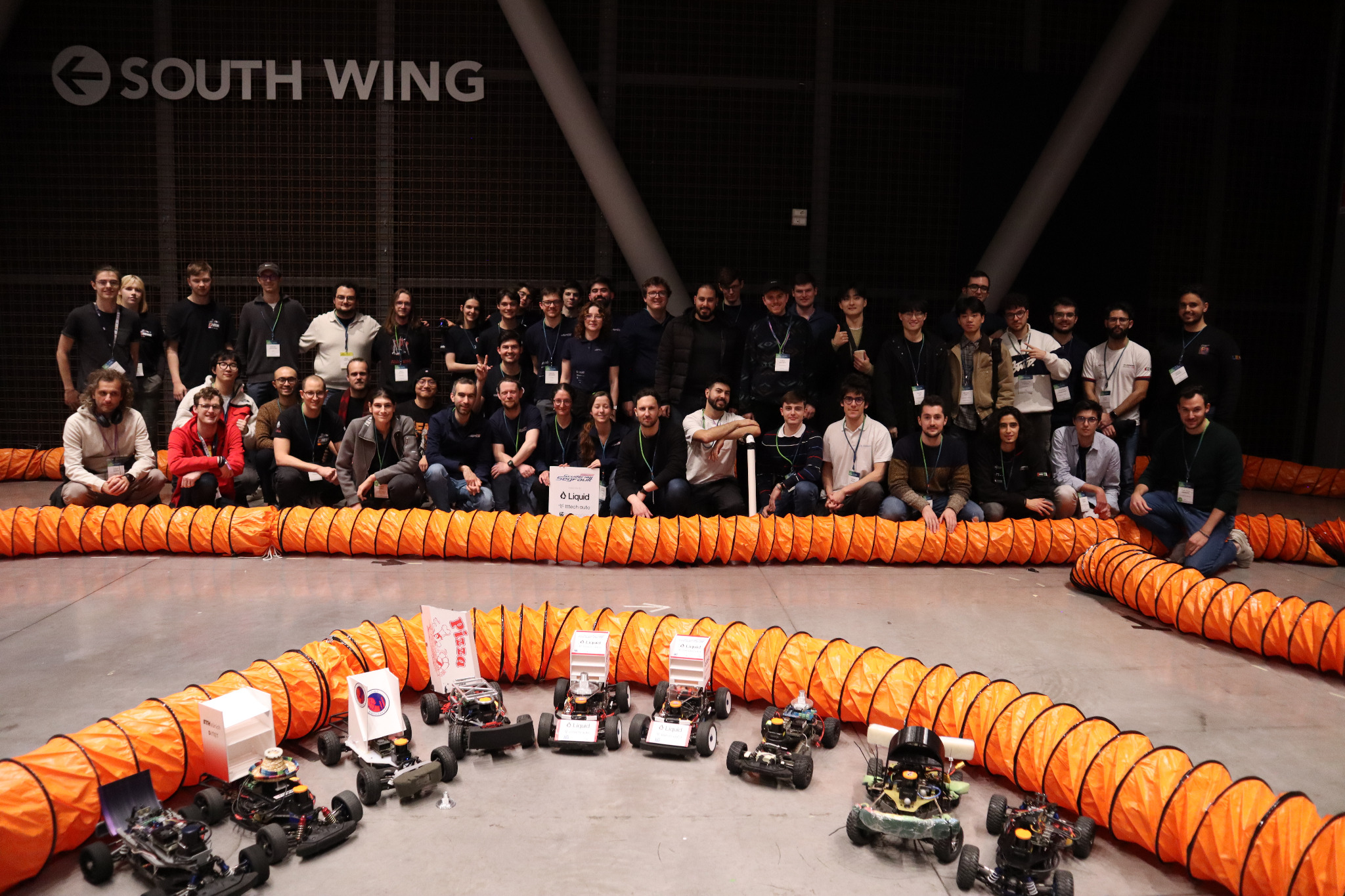
RoboRacer
Autonomous racing at one tenth scale
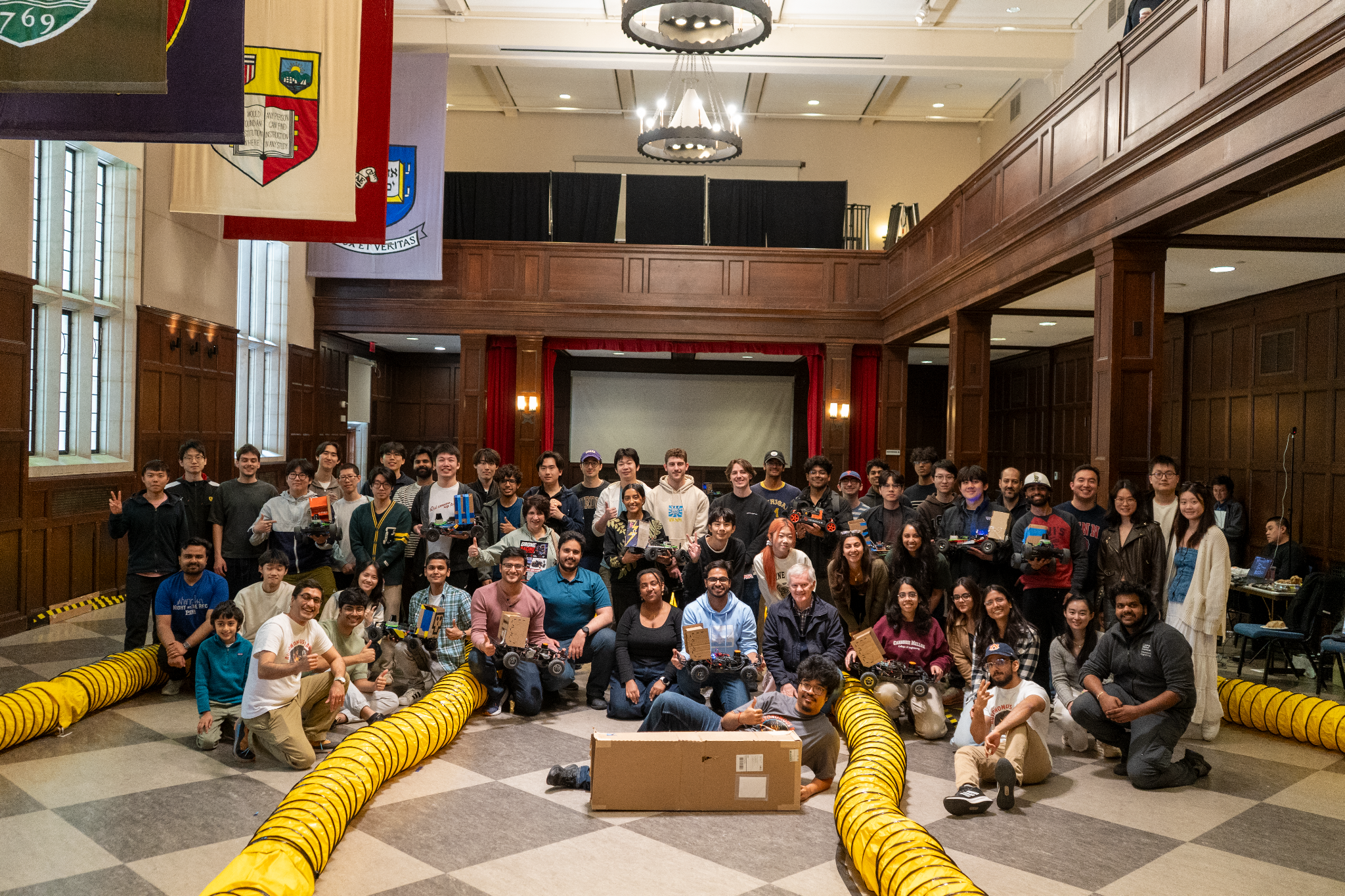
I help organize the RoboRacer competitions at ICRA, IROS, CDC and IV. The cars in this photo raced at CDC 2024 in Milan, where the competition drew teams from across Europe.
News
Recently
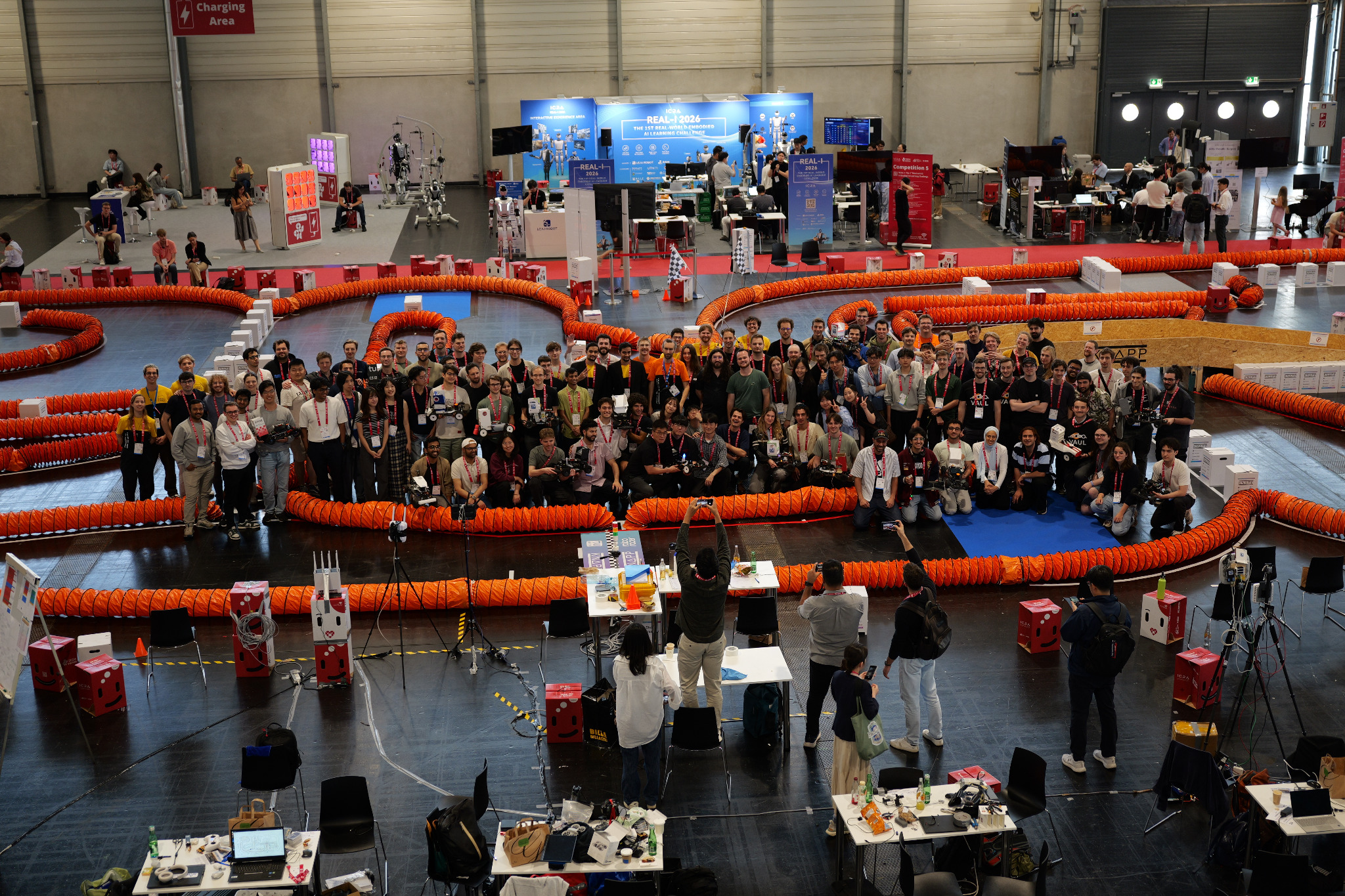
I helped organize the RoboRacer competitions at ICRA in Vienna, with 30 teams, and at IV in Detroit, with 14 teams. Photos and notes.
Lead teaching assistant for Penn's autonomous racing course, with the lectures on optimal control, MPC, stochastic optimal control, and reinforcement learning. Courses and roles.